Skip to content 
Go to Top
info@taysp.com+66 806 980 813

The Yoga Shala Phuket
Programs
You are here:
- Home
- Programs
Do not miss your chance to get incredibly efficient skills and tools for the management of the body and mind as well as helping others to improve their personal practice and general well being.


Online classes 8th – 13th August 2022
8th August (Monday)
10.45 am – 11.45 am Ashtanga Yoga for beginners
9th August (Tuesday)
No class
10th August (Wednesday)
10.45 am – 11.45 am Ashtanga Yoga for Beginners
11th August (Thursday)
10.45 am – 11.45 am Back Bends
12th August (Friday/Moon Day)
10.45 am – 11.45 am No class
13th August (Saturday)
10.45 am – 11.45 am Ashtanga Yoga for Beginners
The suggested minimum contribution is 10 USD per class. After the contribution is done we will send you class access link to your email.
The contribution option is below.
Setup Zoom on your computer, laptop, tablet, or phone. To do this, simply click this link: https://zoom.us/j/658770037 and you will be prompted to download the Zoom software or application to your device.
(If you need further assistance here is a short tutorial: https://youtu.be/NIYudDeULlw )
Be ready few minutes before the class starts with your mat and device ready.
During the class please mute your device so other participants will not be destructed by external noise from your microphone.
We are grateful for your dedication during this difficult time. While The Shala is offering daily online classes at the platform zoom.
The suggested minimum contribution for the online class is 7 USD. After the contribution is done we will send you the link to access the class.
We will publish the information about class packages shortly.
[wprevpro_usetemplate tid=”1″]

from 53,000 THB
from 7 Days
Yoga can enhance the physical and emotional well being and when yoga is practiced with a therapeutic intention in the form of yoga therapy

850 USD
Yoga can enhance the physical and emotional well being and when yoga is practiced with a therapeutic intention in the form of yoga therapy

from 25,500 THB
from 3 Days
Water fasting as method used to effect on physiological processes in the body is the most effective instrument which is harmonising the work of the body generally.

from 53,000 THB
from 7 Days

from 53,000 THB
from 7 Days
Outer manifestation of the age is an indication of the general condition of the body including the work of all organs and systems.

from 53,000 THB
from 7 Days
Our weight loss programs offer very effective way of work with the body where your body comes to balance as we create conditions where your internal resources are activated.
[wprevpro_usetemplate tid=”1″]
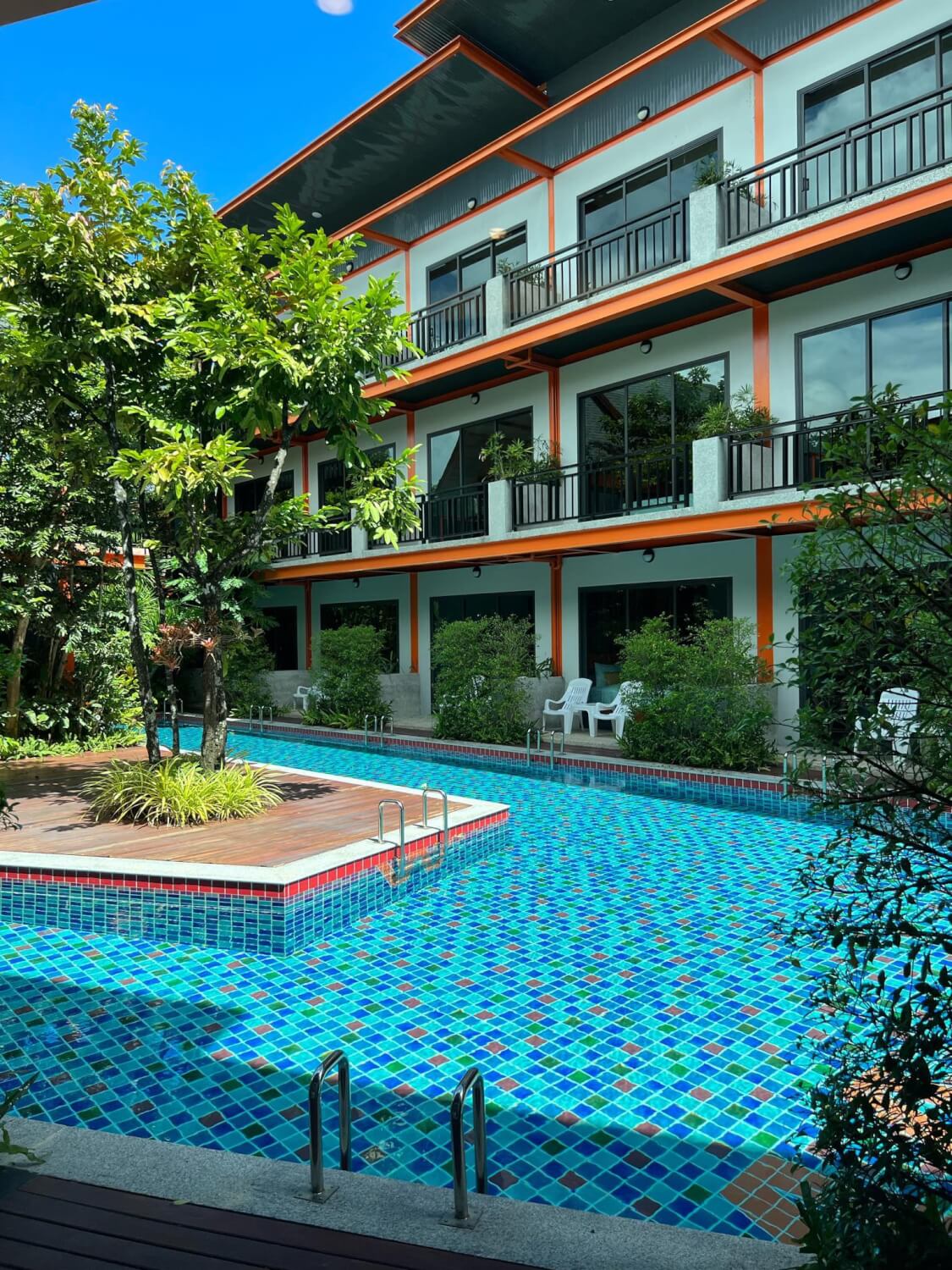
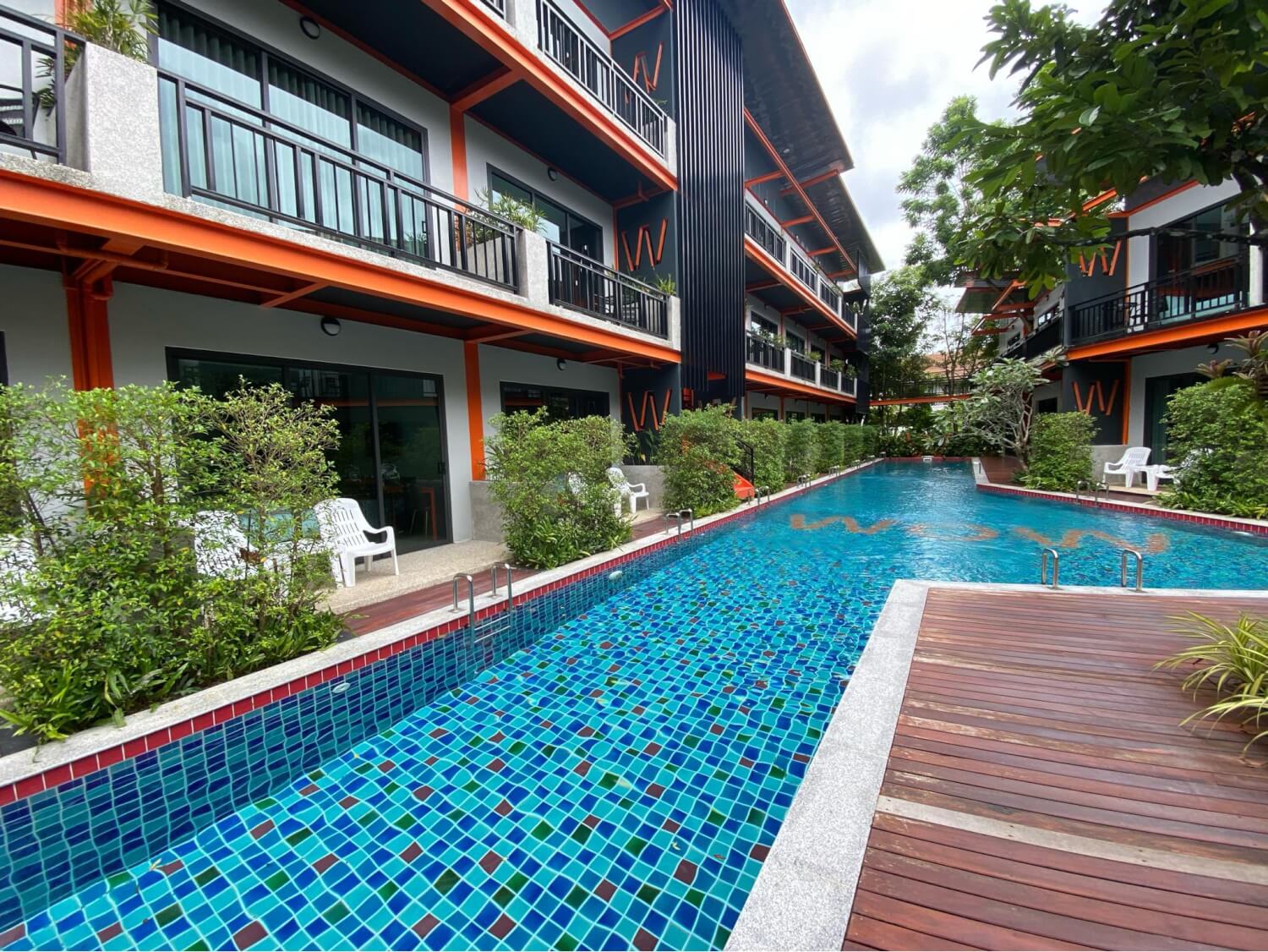
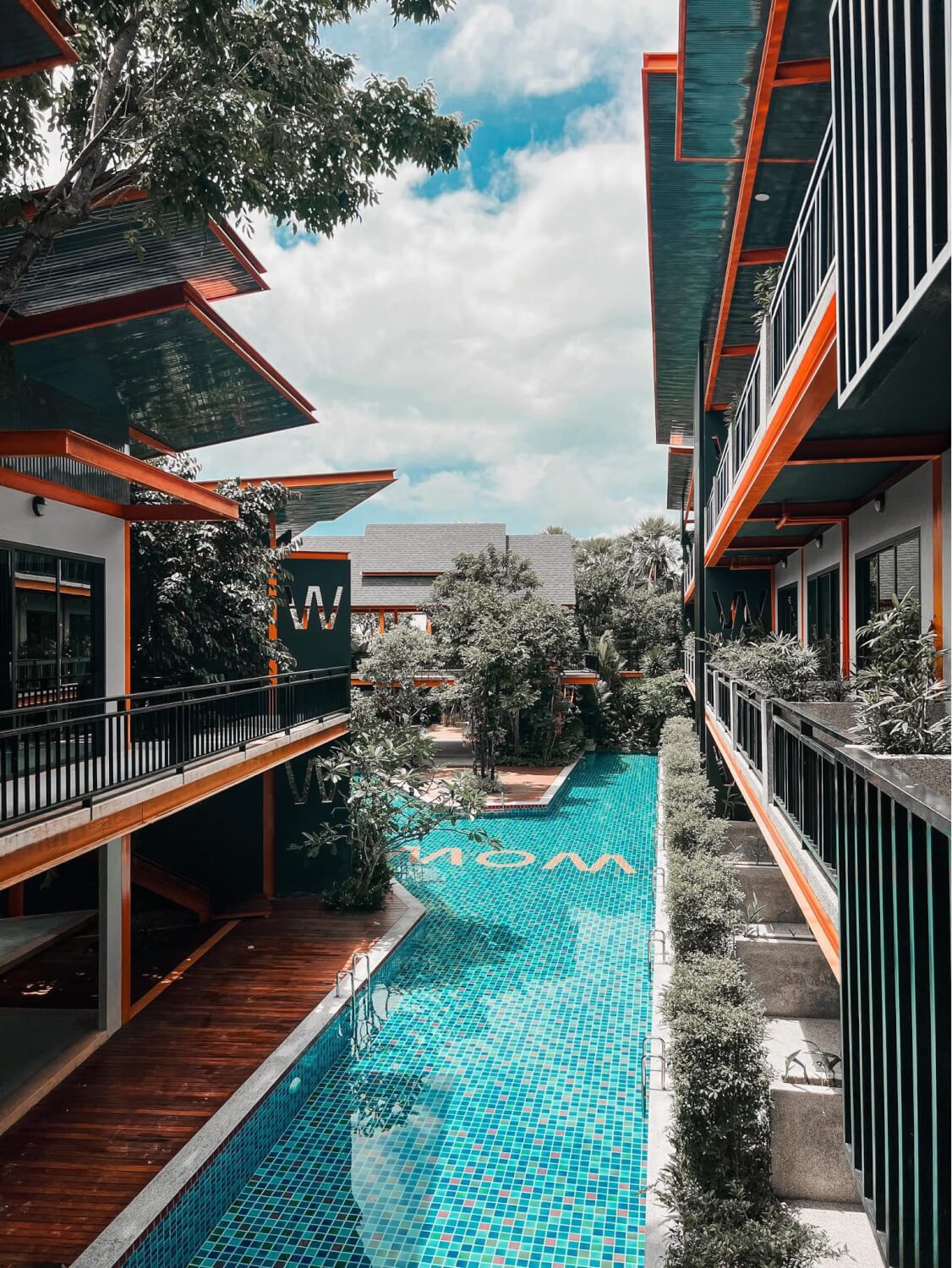
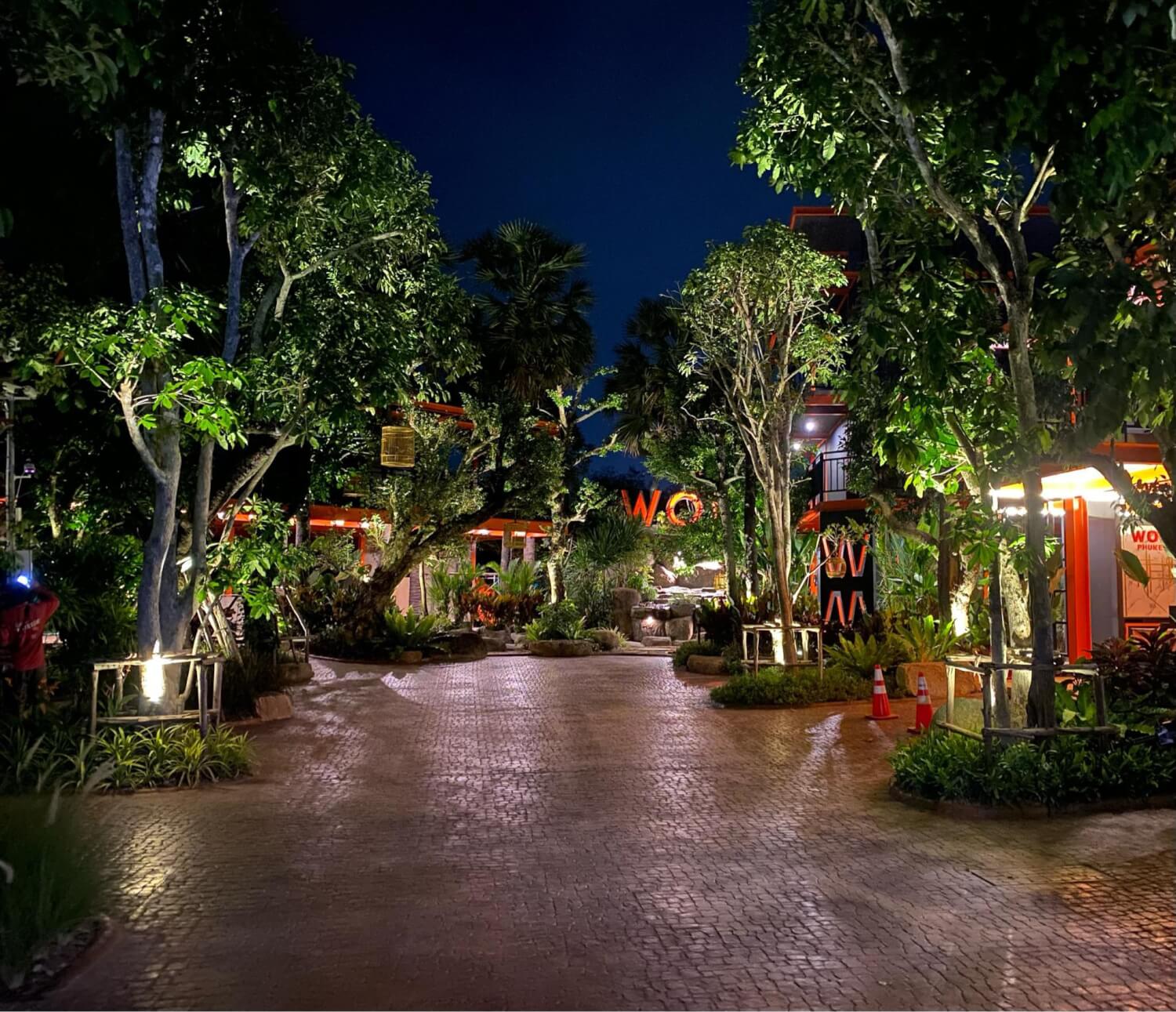
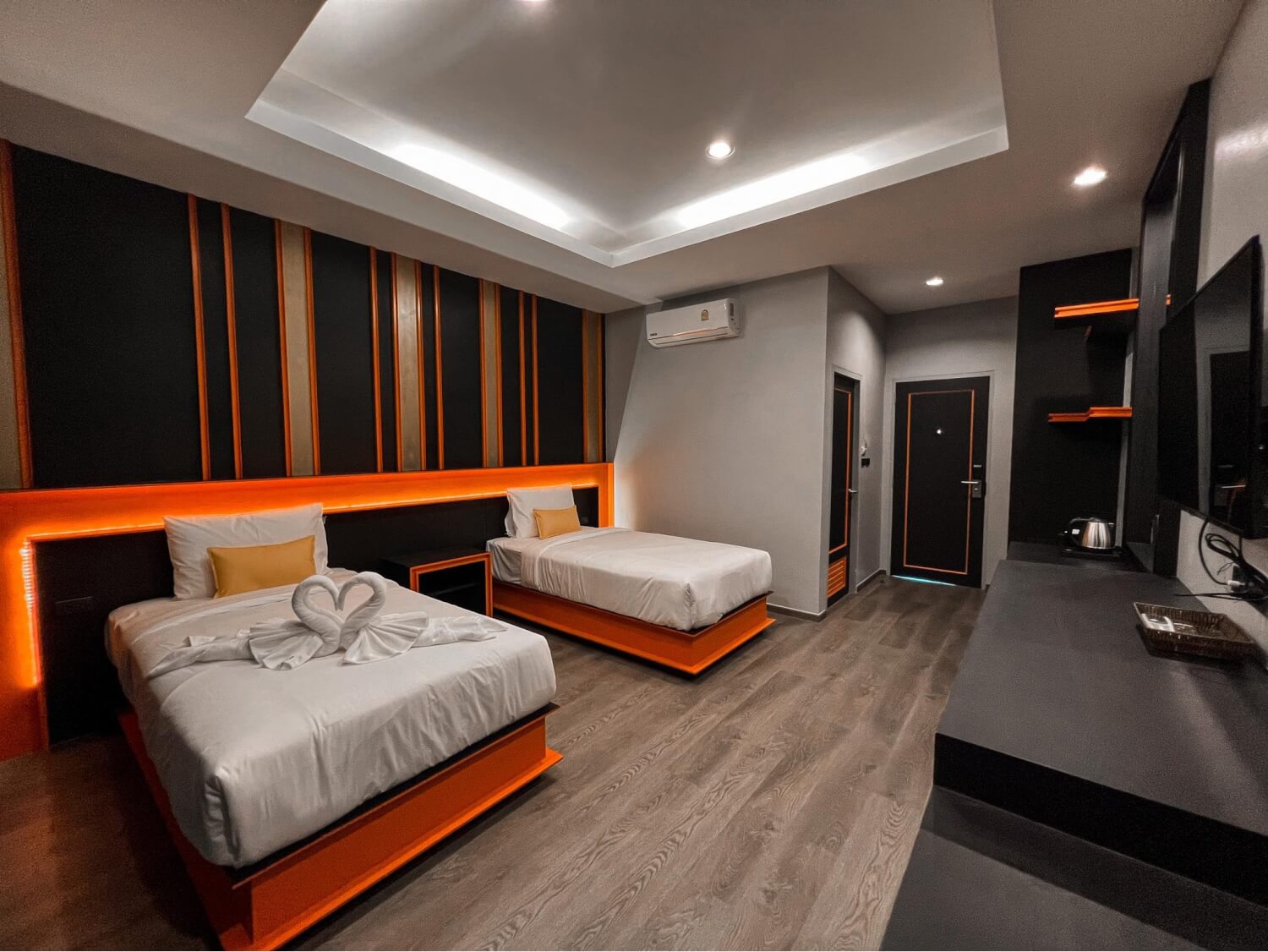
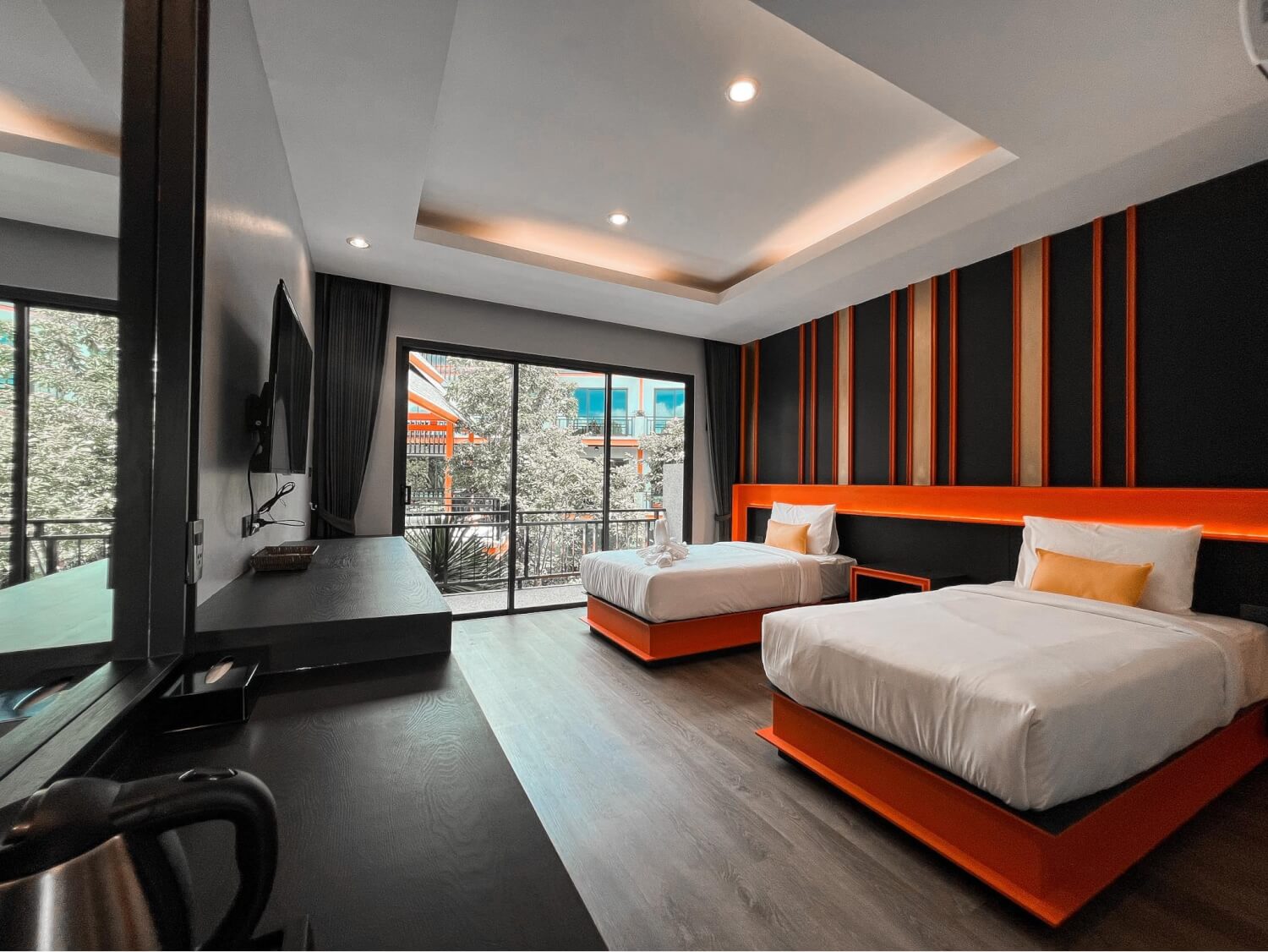
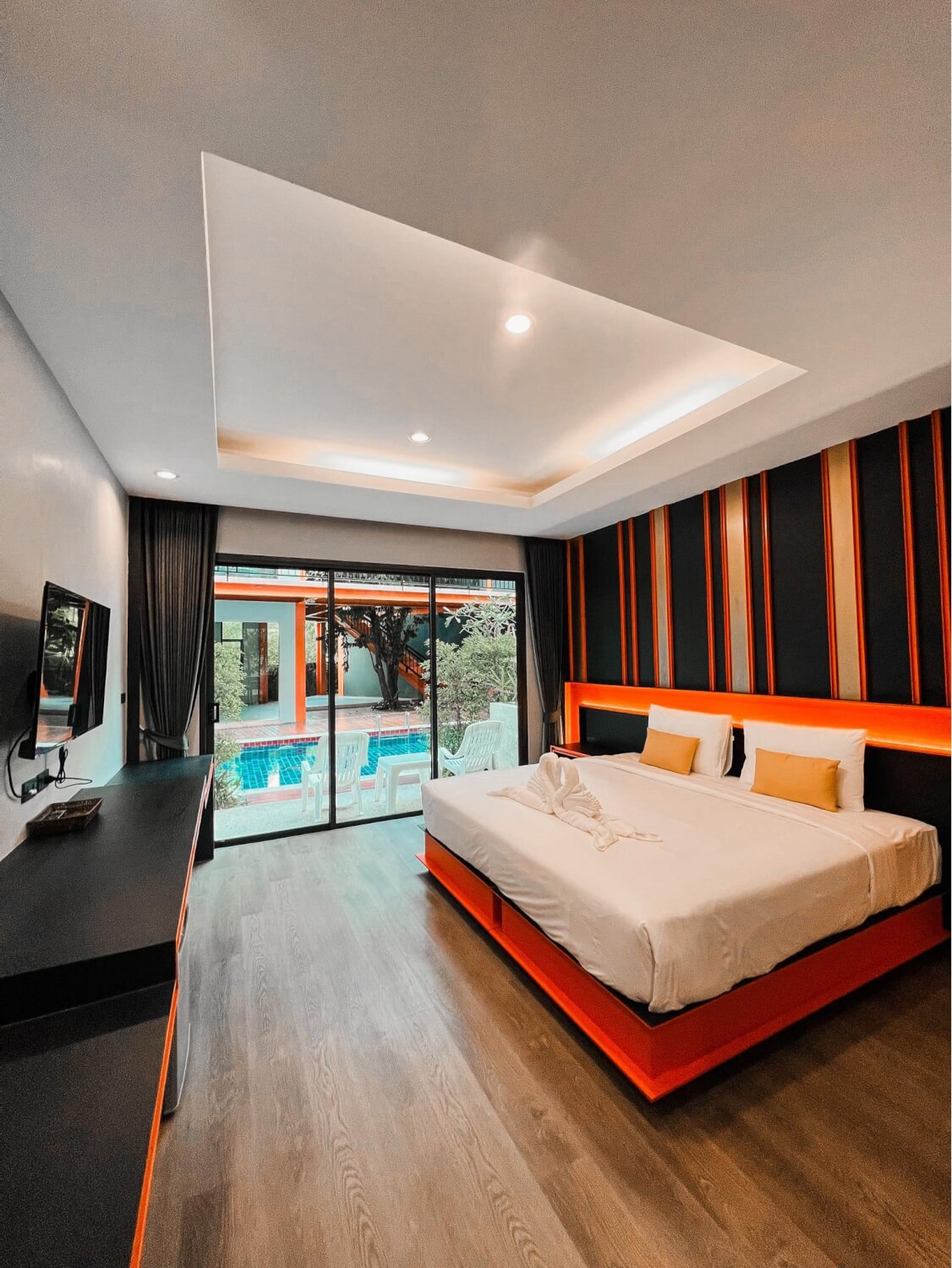
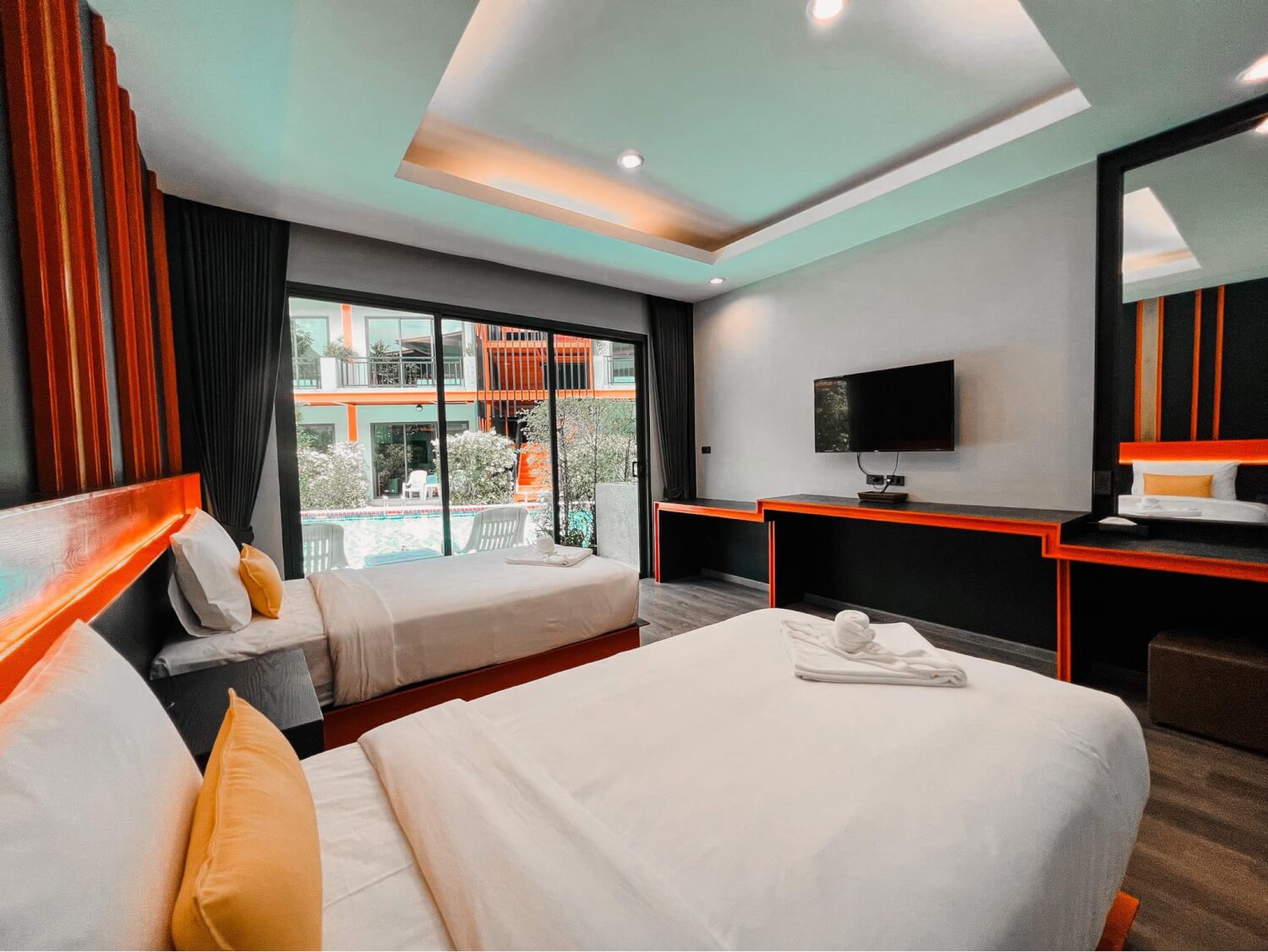
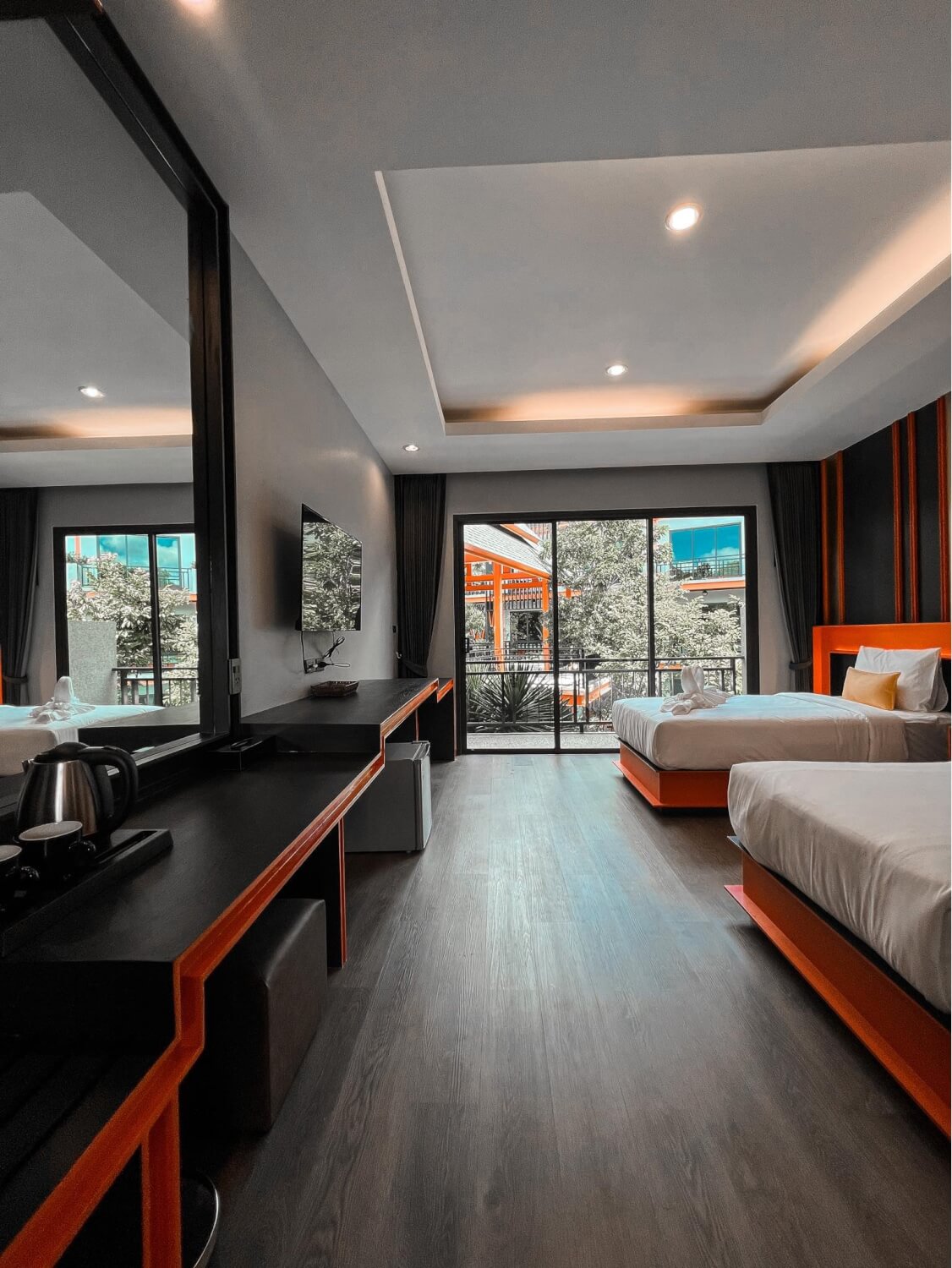
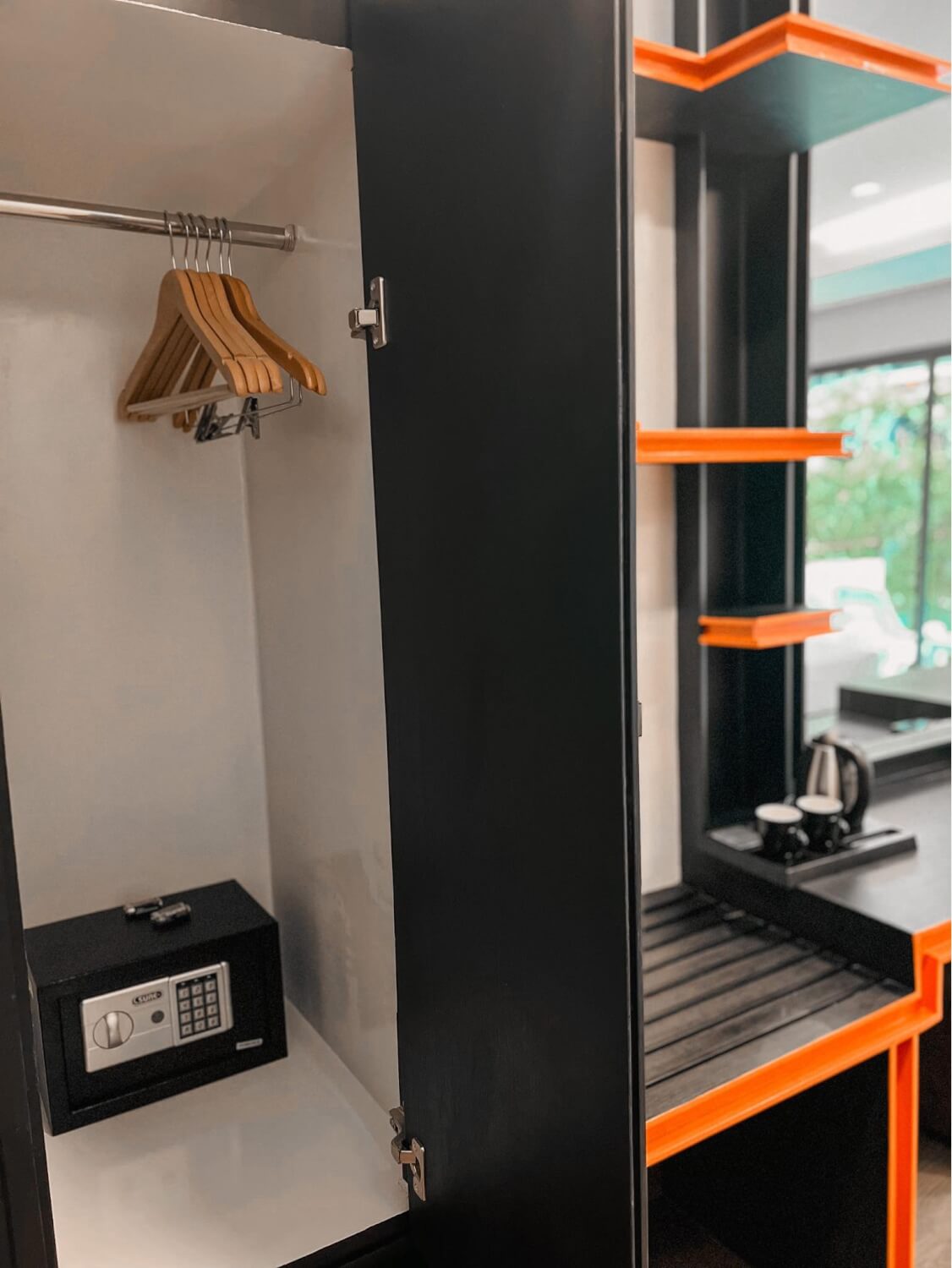
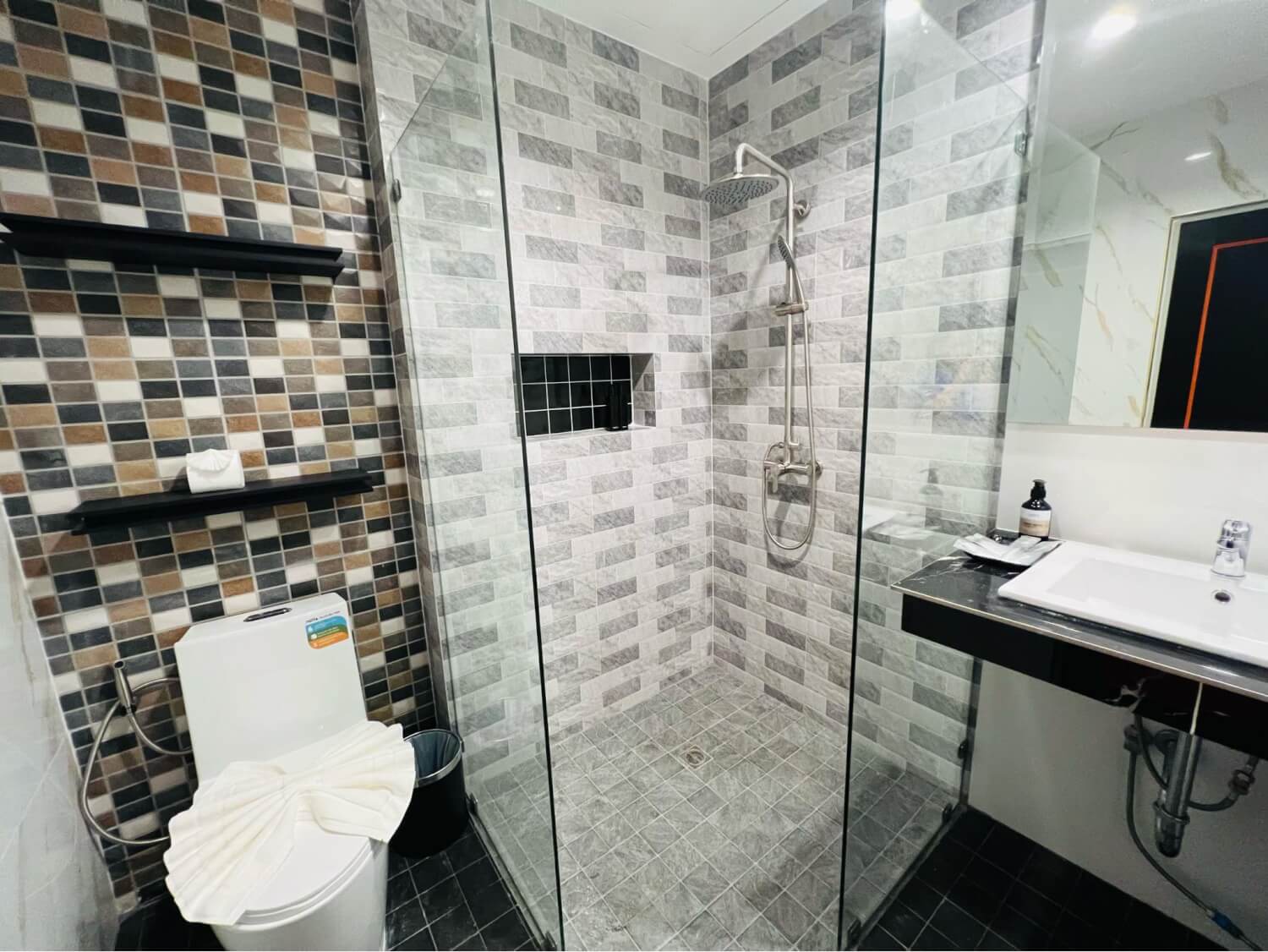
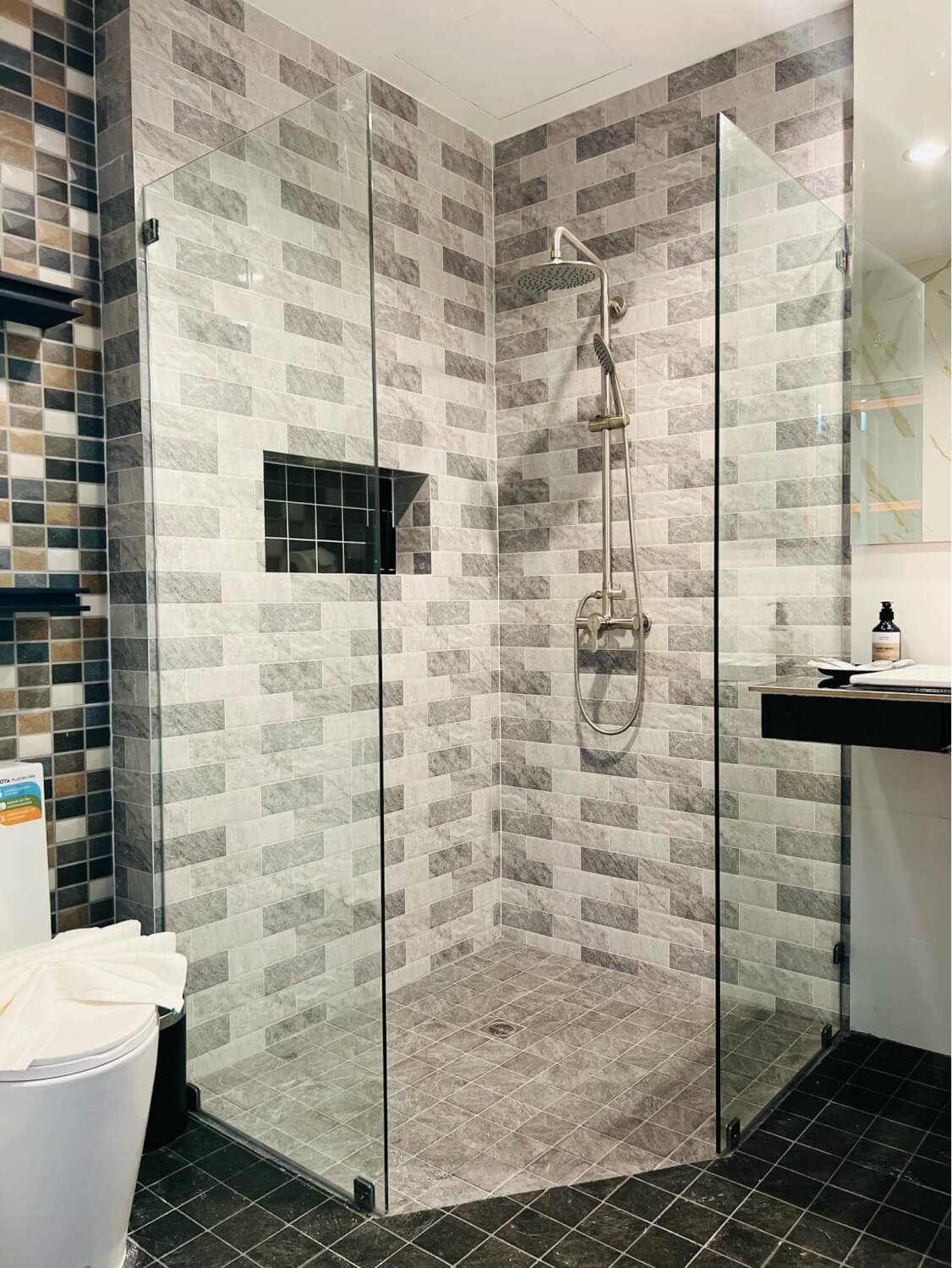
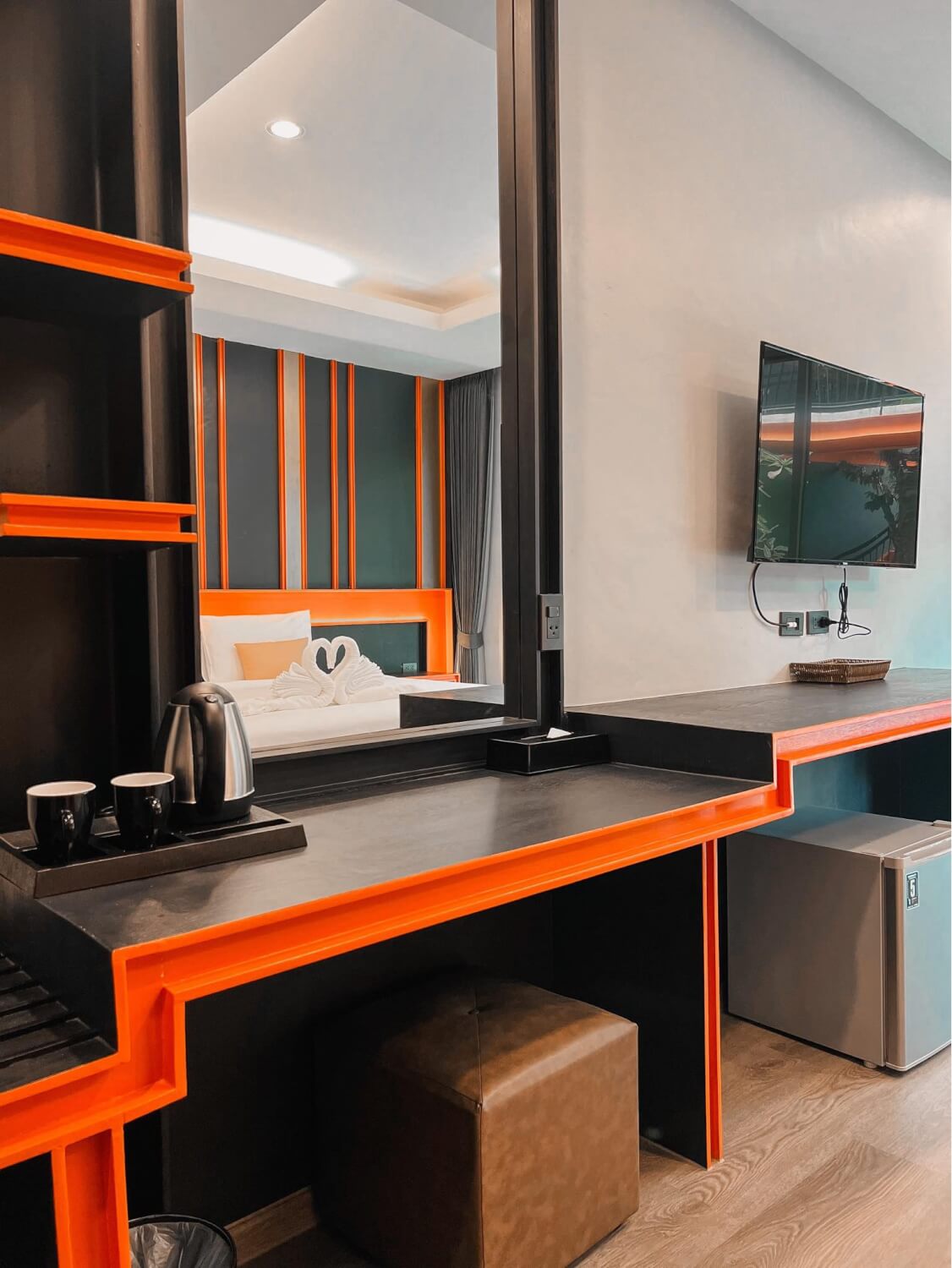
Set in Phuket Town, 2.7 km from Chalong Beach, WOW PHUKET offers accommodation with an outdoor swimming pool, free private parking, a garden and a terrace. This 3-star hotel offers a 24-hour front desk. Phuket Aquarium is 15 km from the hotel and Patong Boxing Stadium is 19 km away.
At the hotel, every room is fitted with a balcony. At WOW PHUKET every room has air conditioning and a flat-screen TV.
Chalong Temple is 1.5 km from the accommodation, while Chalong Pier is 3 km away. The nearest airport is Phuket International Airport, 38 km from WOW PHUKET.
[elfsight_instagram_feed id=”1″]

intensive course
The course is ideal for experienced practitioners who wish to deepen their practice as well as for beginners who is interested to explore Ashtanga Yoga.

intensive course
TTC which takes one month and where you get detailed knowledge of all aspects of teaching beginner and experienced Ashtanga Yoga practitioners.

intensive course
Being able to adjust yoga postures is a unique skill and it requires special qualification.
“Aṣṭau” means eight, “āṅga” means limb. Patanjali describes Ashtanga Yoga in Yoga Sutrasas follows: “By the practice of the parts of yoga impurity diminishes until the rise of spiritual knowledge culminates in awareness of reality.Yama (self restraints), Niyama (fixed rules), Asana (postures), Pranayama (breath control), Pratyahara (Sense Withdrawal), Dharana (Concentration), Dhyana (Meditation), Samadhi (Ecstasy).”
These eight limbs are interdependent and every stage of yoga makes way for the next higher stage. The boundaries and obstacles can not be previously known and they can be only known with direct personal experience. The eightfold path is designed to lead the practitioner consistently to the final limb called “Samadhi” which is the realization of higher consciousness or true nature of Self.
For most of people it is necessary to go ahead step by step, beginning with the practice of Yama, Niyama and Asana.
Hatha Yoga Pradipika states “Prior to everything, asana is spoken of as the first part of hatha yoga. Having done asana one gets steadiness of the body and mind; diseaselessness and lightness of the limbs.” It is therefore advised for the yoga practitioner to start the yoga path with Asana.
Ashtanga vinyasa yoga means the method of asana practice where the foundation of the practice is linking the breath and the movement (vinyasa).
There are three points of attention in the system called “Tristhana” (“tri” means three and “sthana” means standing place): breathing, posture and gazing point. These three points have to be observed during asana practice continuously. The purpose of vinyasa is internal cleansing and after the body is purified then the nervous system can be purified as well as sense organs.
An important aspect of the asana practice is bandhas (means locks or seals) which seals in energy, gives strength, lightness and health to the body. There are two main bandhas are used in ashtanga vinyasa practice – anal lock and abdominal lock, and without bandhas performance of the asana practice is not complete.
There are three series in ashtanga vinyasa yoga:
So all together there are six sequences of asanas.
Ashtanga vinyasa yoga equally develops strength and flexibility and due to fixed sequences helps to develop a great discipline and brings the practitioner to overcome weaknesses physically and mentally. There is a great emphasis on self practice as it is considered to be the best way to make asana practice truly meditative.
Parampara
In the tradition of Ashtanga Yoga there is a lineage of transmission of the yoga teaching. Parampara literally means “from one to another”, it is a chain of uninterrupted transmission and empowerment from teacher (Guru) to disciple (shishya).
 Sri K. Pattabhi Jois (1915 – 2009)
Sri K. Pattabhi Jois (Guruji) is a founder of Ashtanga Vinyasa Yoga. He was born in a Bramin family in Kowshika which is around 150 km from Mysore in Karnataka state in India. At the age of 12 he attended the demonstration of Sri T. Krishnamacharya – one of the most distinguished yogi of 20th century. Being so impressed with Sri T. Krishnamcharya`s demonstration he came to him next day asking to become his student. After some questioning Sri T. Krishnamacharya accepted him as a disciple and Sri K. Pattabhi Jois was his student for 27 years.
After Bramin thread initiation Guruji secretly left to Mysore to study in Sanskrit college where his teacher Sri T. Krishnamacharya took a position to set up a yoga program at Jaganmohan palace. In 1937 Guruji started to teach yoga in Sanskrit college and established a first yoga department which he was directing until his retirement in 1973.
He married Savitrama lately known as Amma (mother) in 1933. They had three children: Manju, Saraswati and Ramesh.
In 1948 Guruji established Ashtanga Yoga Research Institute in their small house in Laxmipuram which is located in the suburb of Mysore. He was teaching there local officials, policemen and even local physicians were sending him their patients as he could help with treatments of some diseases.
In 1964 Guruji built the extension for his house that more people could come and practice at his place. Same year a Belgian with a name Andre Van Lysbeth arrived to the AYRI and practiced with Guruji for two months. After some time Andre Van Lysbeth wrote a book called “Pranayama” where he described his experience with Sri K. Pattabhi Jois at AYRI and that`s how Guruji was introduced first to Europeans.
Also he was travelling with Sri T. Krihsnamacharya and Amma throughout India giving demonstrations, lectures, debating with scholars. More people got to know Ashtanga method and Guruji was invited to travel to teach abroad. His son Manju, daughter Saraswati and grandson Sharath used to assist him in demonstrations and teaching yoga.
In 2002 he moved his Shala to Gokulam a suburb of Mysore which is still operating under the direction of his grandson R. Sharath.
 Sri Tirumalai Krishnamacharya (1888 – 1989)
Sri T. Krishnamacharya is one of the most significant yogis of 20th century, he is considered as grandfather of modern yoga. During more than one hundred years of his lifetime he was bringing life back into dying world of yoga and revolutionize it for a modern world.
He was born in the village of Muchukundapuram, Karnataka state. His parents named him after Lord Krishna, one of the incarnations of Lord Vishnu. Krishnamacharya`s lineage can be traced from 9th century yogi Nathamuni, a saint in South India who composed texts called Yoga Rahasya and Nyaya Tattva. Krishnamacharya started his education under the guidance of his father who was a great scholar. At the early age he started to study Vedas and other religious texts. His father passed away quite early when Krishnamacharya was ten years old.
Soon after the whole family moved to Mysore where Krishnamacharya continued his education and began learning Vyakarana (Sanskrit Gramma), Vedanta, and Tarka (Logic). At the age of 16 he did a pilgrimage to Nathamuni`s shrine where he had an extraordinary vision of his ancestor who transmitted him lost text of Yoga Rahasya. After being back to Mysore he continued his education and quickly mastered many subjects, he passed examinations for Vidvan (Professor) level which was an extraordinary achievement that time. But he was not satisfied. He continued his education in various institutions and obtained degrees.
Once he was advised by one of his teachers to meet a great yogi in Himalayas to deepen the knowledge of yoga. Krishnamacharya took a long and dangerous trip to Tibet to the lake Manasarovar where he met his Guru Rama Mohana Brahmacharya who lived in a cave with his wife and three children. He stayed with his Guru for more than seven years and during that time he developed his most remarkable skills. Rama Mohana Brahmacharya made him memorize the entire Yoga Sutras, Yoga Korunta and other sacred texts. The lost text of Yoga Korunta contained information about asanas, pranayamas and how to adopt them to different individuals and their specific needs. After almost eight years his Guru said: “I am happy with your educational progress. Now go back to society, lead the life of a married man and spread the message of yoga. This is the Guru Daksina (payment to the teacher) I want for what I have taught you.”
Krishnamacharya followed instructions of his Guru, he got married and had six children, also he dedicated his life to yoga, spreading the teaching of yoga and promoting it across India.
In 1931 he was offered by Maharaja of Mysore a position in Sanskrit college in Mysore to set up a yoga program there.
In 1950 Krishnamacharya and his family moved to Chennai.
Sri T. Krishnamacharya was a master of yoga, a scholar, Ayurvedic physician. He was a teacher of famous yogis of 20th century such as Indra Devi, Sri K. Pattabhi Jois, B.K.S. Iyengar, T.K.V. Desikachar etc.
Krishnamacharya`s approach to yoga teaching was changing over the time. During the years in Mysore palace he was mostly using Vinyasa Krama method and always adjusting the practice to the individual needs of the students. In the Yoga Sutras Patanjali offers to choose right tool and integrate that tool into student`s practice taking in account needs, abilities and situation. Nathamuni`s Yoga Rahasya also personalizing student`s practice according to time, place, age, activity, capacity, sex. Krishnamacharya`s approach was teaching what is appropriate to each individual.
After Sri T. Krishnamacharya passed away at the age of one hundred his later teachings continue to be taught by his son T.K.V. Desikachar and his grandson Kausthub Desikachar in Chennai, India.
Set in Phuket Town, 2.7 km from Chalong Beach, WOW PHUKET offers accommodation with an outdoor swimming pool, free private parking, a garden and a terrace. This 3-star hotel offers a 24-hour front desk. Phuket Aquarium is 15 km from the hotel and Patong Boxing Stadium is 19 km away.
At the hotel, every room is fitted with a balcony. At WOW PHUKET every room has air conditioning and a flat-screen TV.
Chalong Temple is 1.5 km from the accommodation, while Chalong Pier is 3 km away. The nearest airport is Phuket International Airport, 38 km from WOW PHUKET.


